Tallow, dripping and suet: which fat to cook with
The vocabulary sorted out, smoke points that matter, how to render your own, and the wheat flour hiding in a box of suet.
The fat you cook with is doing two jobs at once: it transfers heat, and it is most of the flavour. Getting the right one in the right pan makes more difference than most recipes admit.
The vocabulary, which is genuinely confusing
Beef dripping is rendered beef fat, traditionally the fat from around the kidney and loin. It is the block in a yellow wrapper, and it is what British chips were cooked in for a century.
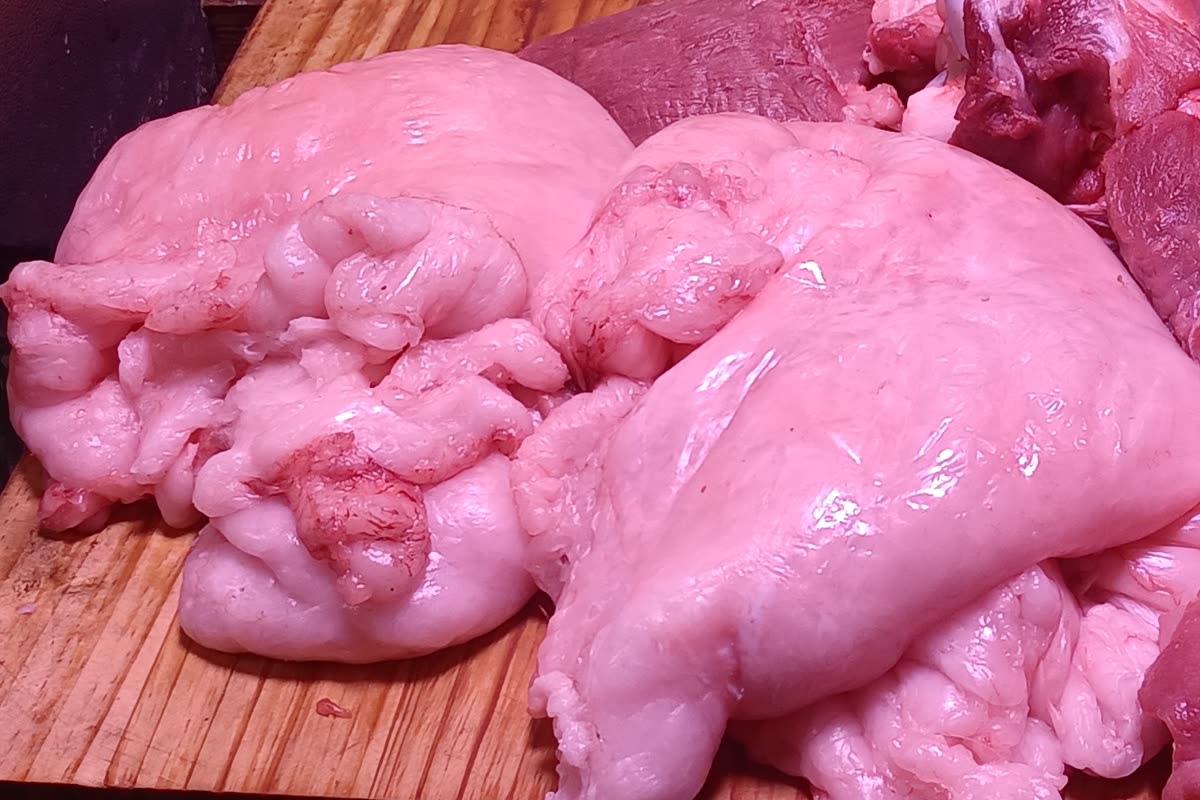
Suet is the raw hard fat from around the kidneys of cattle or sheep, sold shredded for making pastry. Tallow is suet that has been rendered down, and the word is also used generally for any rendered ruminant fat.
Lard is rendered pork fat. Schmaltz is rendered chicken fat. Ghee is butter with the water and milk solids removed.
So dripping, tallow and suet are the same animal and different stages of the same process, and lard is a different animal entirely.
Smoke points, roughly
This is why you cannot use one fat for everything.
Butter burns at around 150 to 175°C because the milk solids scorch. It is unbeatable for eggs over a low heat and for basting a steak at the end, and it is wrong for a hard sear.
Ghee, clarified butter, gets to about 250°C because the milk solids are gone. It behaves like a high heat fat with a buttery taste.
Beef dripping and tallow sit somewhere around 200 to 250°C depending on how clean the rendering was, which makes them the right choice for steak, roasting and deep frying.
Lard is around 180 to 190°C. Chicken fat is similar and has the strongest flavour of the lot.
These numbers are approximations that vary with the batch. The practical test is that a fat is too hot when it smokes persistently rather than shimmering.
Rendering your own
500g of raw suet or trimmed beef fat, cut small, in a heavy pan with 100ml of water. Low heat, lid on, for an hour to 90 minutes. The water stops the fat burning before it melts, and it boils off.
Strain through a sieve lined with muslin or a clean tea towel into a jar. Keep the crunchy bits, salt them, and eat them.
You will get about 400g of dripping from 500g of suet, which makes it cheaper than the shop version by a wide margin.
Storing it
Dripping and tallow keep for months in a jar in the fridge, longer in the freezer. The signs of going off are a sharp, soapy or paint-like smell, and any mould on the surface, at which point it goes in the bin.
Butter keeps for weeks in the fridge and months in the freezer. Ghee keeps for months at room temperature in a sealed jar, which is the reason it exists.
One trap in the British aisle
Boxed shredded suet in the supermarket is usually blended with wheat flour to stop it clumping. Check the ingredients before you buy it: the traditional brand lists beef fat and wheat flour, which is fine for pastry and not what you want if you are avoiding plant foods.
Buy plain blocks of dripping, jars of tallow, or ask a butcher for raw suet and render it yourself.
What to use where
Steak and chops: dripping or tallow in a heavy pan, butter at the end for basting.
Eggs: butter, always, over a medium heat.
Roast chicken and beef: dripping in the tin, or the meat's own fat.
Frying at depth: tallow, strained and reused up to four or five times if you skim it between uses.
Anything where you want the fat to taste of something: schmaltz for eggs, dripping for chips.
The cost of getting this right
A 250g block of beef dripping is a pound or two. A jar of good tallow is 8 to 12 pounds, which is only worth it if you are not rendering your own. Suet from a butcher is often free or close to it, and rendering it takes an hour you were going to spend doing something else anyway.
Sources
Disclaimer: Content published by BBBE Central is for educational, informational, and self-tracking purposes only and does not constitute medical advice. Always consult a qualified healthcare provider before making major dietary adjustments. See who should not follow this protocol.