Steak in a heavy frying pan: the method that matters
Dry surface, hot pan, one turn, proper rest. How to get a crust on a supermarket rump and how to know when it is done.
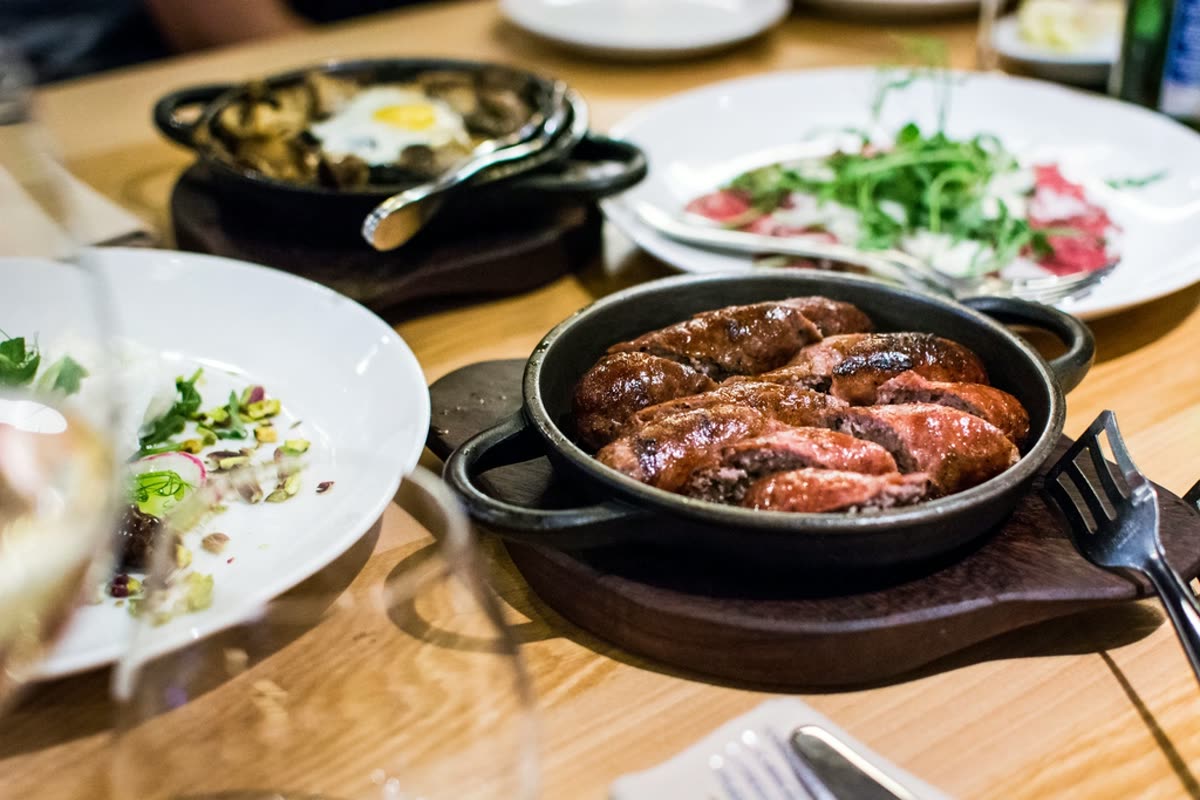
Steak is the cheapest way to make this way of eating feel like something you would choose rather than something you are enduring, and it is the technique people get wrong most often. The pan matters more than the cut.
What to buy
Rump is the value pick: enough fat to baste itself, enough flavour to stand up to hard heat, and it goes on offer somewhere most weeks. Sirloin is more forgiving. Ribeye is the one to buy when it is reduced.
Aim for 2.5cm thick. Thinner than that and the outside is burnt before the middle is warm; much thicker and you need the oven.
300g per person is a generous portion. 200g with an extra egg is plenty for most adults.
The method
Take the steak out of the fridge 30 to 45 minutes before cooking. A cold centre means the middle is underdone when the outside is right.
Dry the surface with kitchen paper. This is the step that separates a good crust from a grey one, because wet meat steams instead of browning.
Salt it. Either 40 minutes ahead, which gives the salt time to dissolve and be drawn back in, or immediately before it hits the pan. Ten minutes ahead is the worst of both.
Get a heavy frying pan properly hot: cast iron or carbon steel, five minutes over a high heat, until a drop of water skitters. Then add a tablespoon of beef dripping or a chunk of butter and swirl it.
Lay the steak away from you so the fat does not splash your hand. Do not move it. Two minutes for a 2.5cm steak on the first side.
Turn it once, cook two minutes on the second side, then add a 20g knob of butter and tilt the pan so you can spoon the foaming butter over the top for 30 seconds. That basting is what a restaurant is doing when the steak tastes better than yours.
Rest it on a warm plate for five minutes. Not on the board it came off, which will be wet, and not on a cold plate, which will steam it. Salt again after resting, with flaky salt, and pour over whatever is left in the pan.
Knowing when it is done
A probe thermometer is ten pounds and removes all the guesswork. Push it into the centre from the side, not down through the crust.
- 52°C: rare, and the centre will still be cool
- 56°C: medium rare, which is where most beef is at its best
- 60°C: medium
- 65°C and above: well done, and the fat will have rendered out
The temperature rises 3 to 5°C while it rests, so pull it early.
The oven version for thick cuts
A 4cm ribeye or a chateaubriand will burn outside before it is warm inside. Put it on a rack in a 120°C fan oven with the probe in, take it out at 48°C, rest it ten minutes, then sear it for 90 seconds a side in a screaming pan. This is the method that gets a restaurant result at home with no drama.
What to do with the pan
Pour the fat into a small jar rather than down the sink, and keep it in the fridge. It is the best thing to fry eggs in the following morning.
The cost of getting this right
At the time of writing, rump sits somewhere between 12 and 20 pounds a kilo depending on the shop and the week, so a 300g portion is 4 to 6 pounds. That is a takeaway coffee and a sandwich, and it is the argument for buying a larger piece and cutting it yourself rather than paying for two thin supermarket steaks in a plastic tray.
Sources
Disclaimer: Content published by BBBE Central is for educational, informational, and self-tracking purposes only and does not constitute medical advice. Always consult a qualified healthcare provider before making major dietary adjustments. See who should not follow this protocol.