Roast chicken, and the schmaltz you get for free
Dry brining, butter under the skin, exact times, and what to do with the fat and the carcass afterwards.
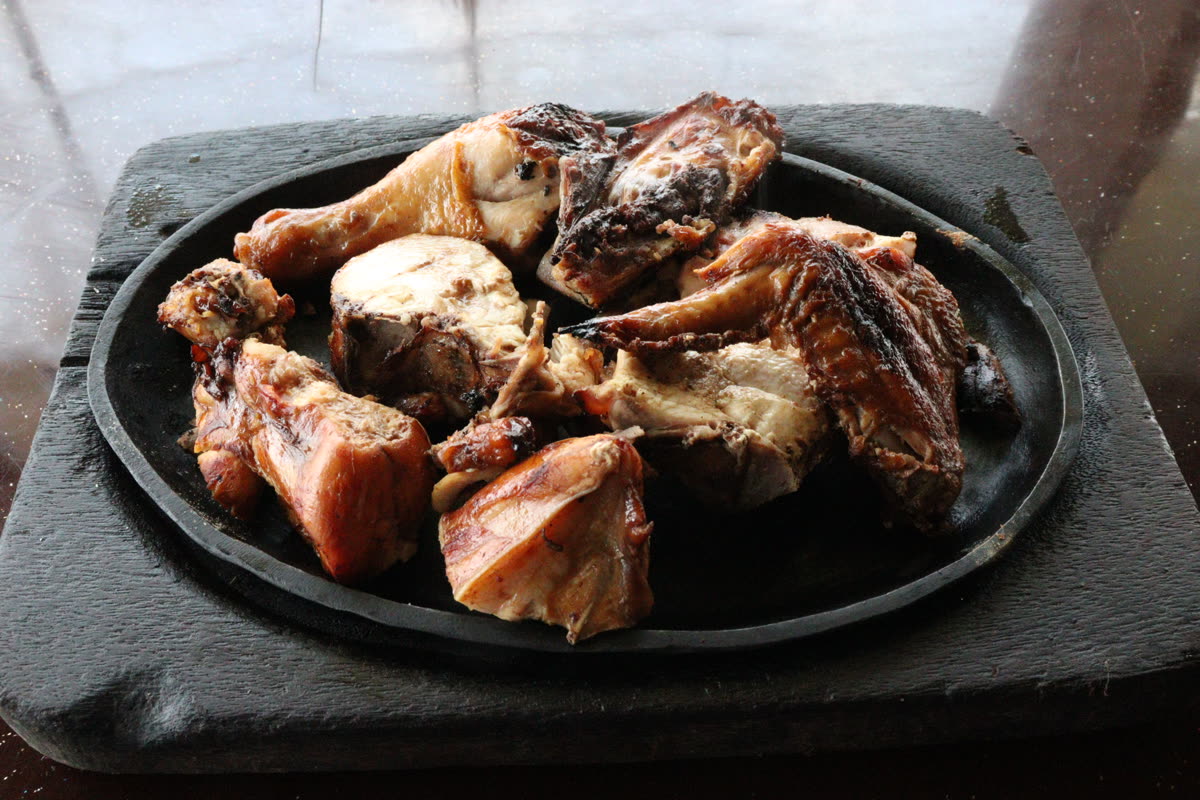
A whole chicken is three meals if you use all of it: the roast, the cold meat, and the broth from the carcass. It is also the cheapest way to get crisp skin and rendered fat at the same time, and that fat is the reason to bother.
What to buy
1.6 to 2kg, free range if the budget allows, and the largest bird you will actually eat. A bigger bird cooks more evenly than a small one and gives better leftovers.
Look for skin that is intact and dry rather than wet and pale, and a bird with no smell beyond a clean one.
Dry brining, which is the only trick you need
The night before, or the morning of, pat the chicken dry inside and out with kitchen paper. Rub a heaped teaspoon of fine salt all over the skin and into the cavity. Put it on a plate, uncovered, in the fridge.
The salt draws moisture out, dissolves, and is drawn back in, seasoning the meat rather than just the surface. The dry air in the fridge dries the skin, and dry skin is what crisps.
If you have four hours rather than twelve, still do it. Anything is better than salting at the oven door.
Roasting it
Take the bird out of the fridge an hour before cooking so it is not stone cold in the middle.
Loosen the skin over the breast with your fingers and push 30g of soft butter under it, spreading it across both breasts. Butter on top of the skin burns; butter underneath bastes the meat.
Put half a lemon or a few cloves of garlic in the cavity if you have them. Neither is essential.
20 minutes at 220°C fan, then 45 to 55 minutes at 190°C fan for a 1.8kg bird, basting once. The high start gets the skin going and the lower finish cooks the meat through without drying it.
It is done when a probe in the thickest part of the thigh, not touching bone, reads 75°C, and the juices at the thigh joint run clear.
Rest it for 15 minutes, uncovered, before carving. This is not optional: the juices redistribute and the meat stops leaking onto the board.
Spatchcocked, for a weeknight
Cut out the backbone with scissors, press the bird flat, and roast at 200°C fan for 45 to 50 minutes. It cooks in two thirds of the time and the skin crisps more evenly because more of it is exposed. Ask a butcher to do the cutting if you would rather not.
The fat, which is the point
Tip the roasting tin carefully and pour the fat into a jug, leaving the meat juices behind. Let it settle for ten minutes, then spoon the clear yellow fat off the top into a jar.
That is schmaltz. It keeps for a month in the fridge and two months in the freezer, and it is the best fat there is for frying eggs and potatoes, if potatoes are in your diet.
If you want more of it, simmer the collected skin and any trimmed fat with a splash of water in a small pan for 40 minutes until the water has gone and the skin is crisp. Strain, keep the fat, salt the crackling.
The carcass
Put the picked carcass in a large pot with cold water to cover, a tablespoon of salt, and a splash of vinegar if you have it. Bring to a bare simmer, never a boil, and hold it there for 3 to 4 hours. A hard boil emulsifies the fat and makes the broth cloudy.
Strain, cool quickly, and skim the fat once it is cold. It sets like jelly, which is the sign you got the collagen out.
Keeping the meat
Cool leftovers within two hours of cooking and keep them in the fridge for two days. Reheat once, until piping hot, and do not reheat twice.
The cost of getting this right
A 1.8kg free range bird is 12 to 16 pounds; a standard one is 7 to 10. That is a roast for three or four, cold meat for two lunches, and three litres of broth, which works out cheaper per meal than almost anything else in a supermarket.
Sources
Disclaimer: Content published by BBBE Central is for educational, informational, and self-tracking purposes only and does not constitute medical advice. Always consult a qualified healthcare provider before making major dietary adjustments. See who should not follow this protocol.