LDL cholesterol on a meat-only diet: what your GP panel will show
The NHS lipid profile in mmol/L, why LDL cholesterol often rises when you cut carbohydrate, when that matters, and what to ask for next.
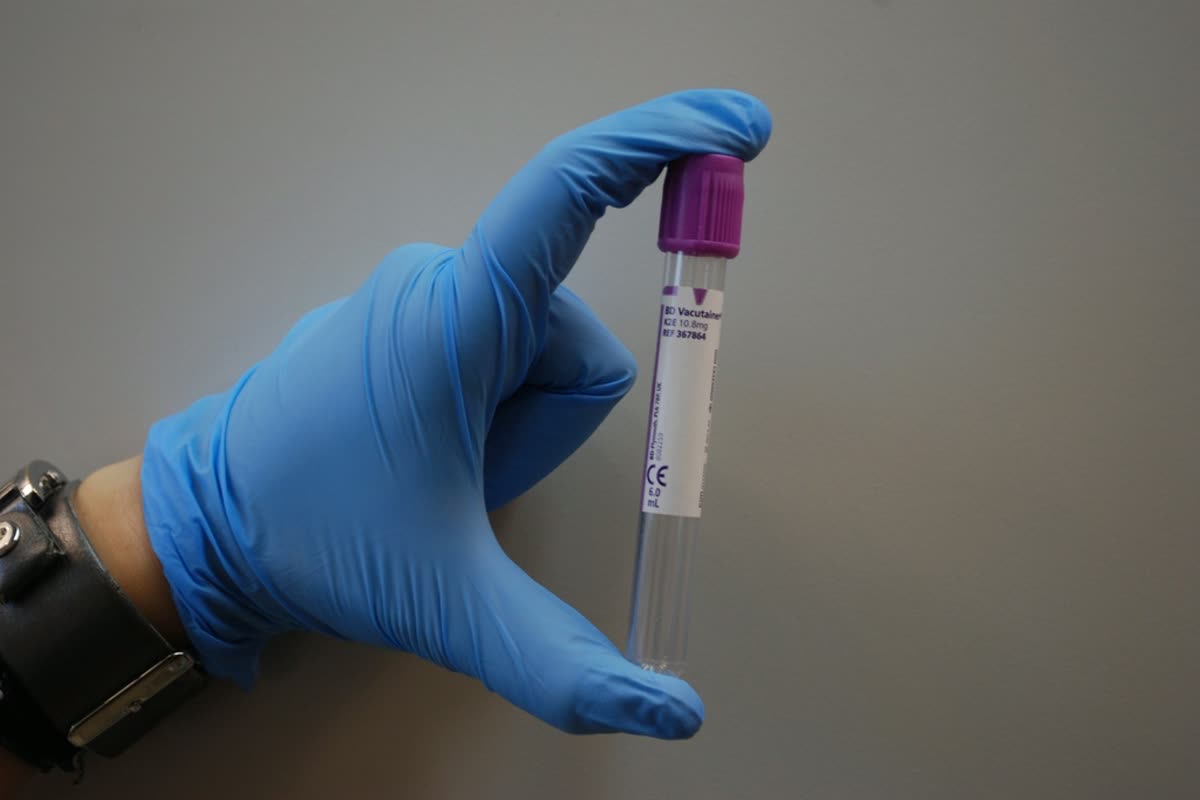
If you ask your GP for a lipid profile on this diet, the result will probably look worse than it did a year ago, and the reason is worth understanding before you decide what to do about it.
What the NHS actually measures
A standard NHS lipid profile reports total cholesterol, HDL cholesterol, non-HDL cholesterol and triglycerides, all in millimoles per litre. The lab does not report LDL directly on most routine requests; LDL is calculated from the other numbers.
The profile does not include apolipoprotein B, usually written ApoB, and a GP practice is unlikely to order it. ApoB counts the number of atherogenic particles rather than the cholesterol they carry, and some people want it because particle number can diverge from LDL cholesterol on a low carbohydrate intake. In the UK it is a private test. Nuvivo lists ApoB from 49 pounds, Omni Lifestyle runs it through a Randox laboratory at about 79 pounds, Medichecks sells a profile including Lp(a) for around 89 pounds and ARC Medical charges about 102 pounds, with prices checked in October 2026.
The NHS tool for turning these numbers into a decision is QRISK3, which estimates ten year risk from age, sex, blood pressure, smoking, cholesterol, body mass index, deprivation and several clinical factors. NICE guidance NG238 sets out when a statin should be offered, with a ten year QRISK3 score of 10% or more as the threshold for offering atorvastatin 20mg.
The pattern that usually shows up
On a meat-only intake the common result is LDL cholesterol up, HDL cholesterol up, triglycerides down, and total cholesterol up because LDL carries most of the mass. Non-HDL, which is total minus HDL and the number NICE uses, usually rises with LDL. The triglyceride to HDL relationship often improves, which is why two people can look at the same printout and reach opposite conclusions.
None of that is a verdict. It is a description of a common pattern.
Why LDL moves
Three mechanisms explain most of what you will see.
Saturated fat reduces the activity of LDL receptors in the liver, so fewer particles are cleared from the blood and LDL cholesterol rises. This is one of the better established findings in nutrition science and it is not seriously disputed.
Weight loss raises LDL cholesterol transiently in some people, because stored cholesterol is mobilised and transported in the blood while fat mass is falling. A test taken in the middle of active weight loss is a poor baseline.
An underactive thyroid gland raises LDL cholesterol, and it is common enough that it should be ruled out before anyone blames the diet. That is one of the standard blood tests your GP can order.
Inherited causes matter too. Heterozygous familial hypercholesterolaemia affects roughly one person in 250 in the UK, causes LDL cholesterol to sit high from birth, and carries a much higher risk than the same number produced by diet. NICE guidance suggests an untreated LDL cholesterol of 4.9 mmol/L or more in an adult should prompt a search for it, using family history together with the Simon Broome or Dutch criteria.
Where the number genuinely matters
LDL cholesterol is causally implicated in atherosclerosis. That conclusion rests on human genetics, on trials in people with familial hypercholesterolaemia, and on decades of statin trials where the size of the LDL fall predicts the size of the risk reduction. It is one of the sturdier findings in the field, and it does not stop being sturdy because the diet that raised your LDL works for your gut.
What is missing is the outcome data for this specific pattern: high LDL cholesterol with low triglycerides, high HDL cholesterol, no smoking, normal blood pressure, and a diet with no plants in it. Nobody has followed a thousand people on it for twenty years. The honest position is that the risk is uncertain, that uncertainty is not the same as safety, and a person is entitled to make a decision about it with their GP rather than being told the number does not matter.
What to do at the appointment
Ask for a baseline before you start rather than after, if there is still time. If you have already started, get the test done at least three months in, when weight is stable.
Ask for non-HDL cholesterol to be reported alongside LDL, since that is the number in the guidance.
Ask whether your family history and LDL level meet the criteria for checking for familial hypercholesterolaemia, and if they do, ask about cascade testing for relatives. That pathway exists on the NHS and is free.
Ask for a QRISK3 score rather than a judgement about a single number.
If a statin is offered and you do not want it, say so and ask what monitoring is proposed instead. Refusing a statin is a legitimate choice; not knowing your ten year score while refusing it is a choice made in the dark.
What I do
Baseline before, repeat at three months, then once a year. I keep the results in one place with the date, the dose of anything I take, and my weight, because a number without context is not information.
Sources
Disclaimer: Content published by BBBE Central is for educational, informational, and self-tracking purposes only and does not constitute medical advice. Always consult a qualified healthcare provider before making major dietary adjustments. See who should not follow this protocol.