How to read a beef label in a British supermarket
British versus Produced in the UK, what farm assured actually means, and the four numbers worth reading before you put it in the basket.
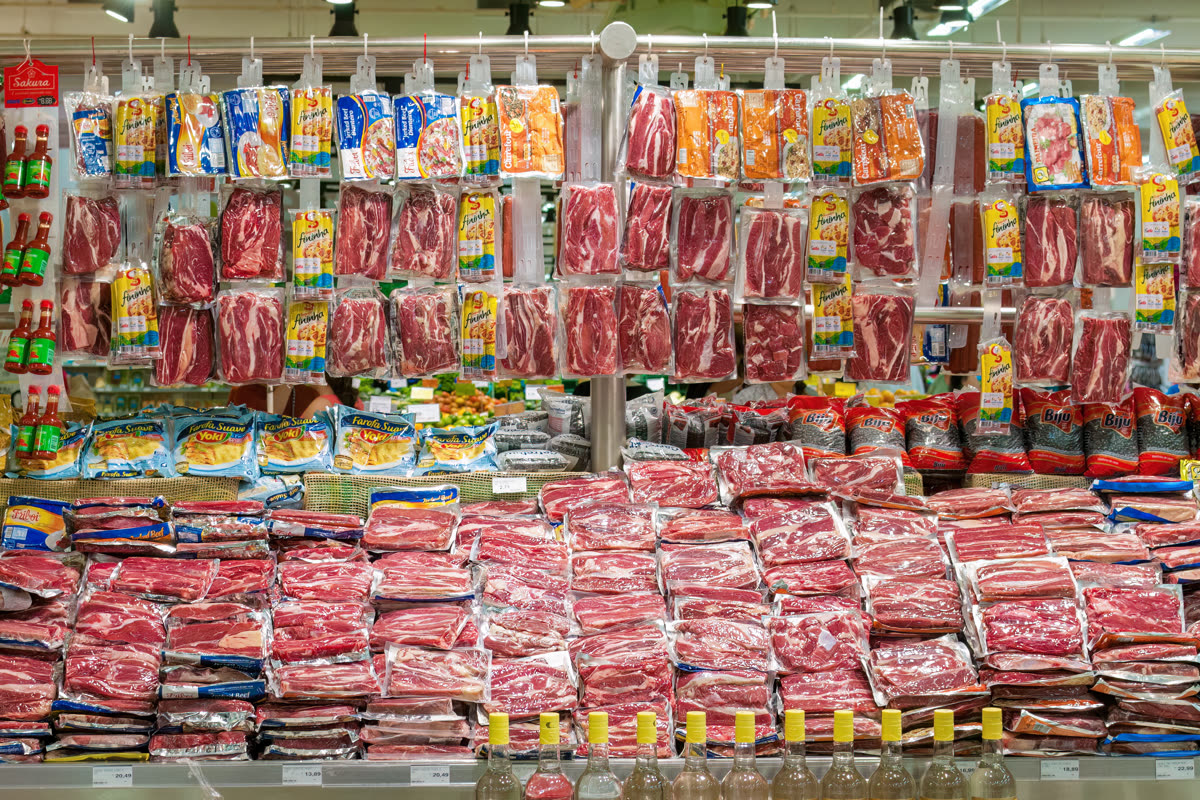
The label on a pack of beef in a British supermarket carries about six pieces of useful information and about six pieces of marketing. Learning which is which takes ten minutes and saves money every week after that.
British, and near-British
British on a beef label means the animal was born, reared and slaughtered in the UK. That is the strictest of the origin wordings and the one to look for if origin matters to you.
Produced in the UK is a weaker statement. It can mean the meat was imported and packed or processed here, and it is legally allowed to appear on a pack of foreign beef. If you see it instead of British, assume the animal was not raised here.
Farm assured, usually with the Red Tractor logo, means the farm and processor met a set of standards covering food safety, animal welfare and traceability. It is an assurance scheme, not a quality grade, and it does not mean organic or grass fed.
Organic means certified to UK organic standards by an approved body, with the logo of that body on the pack. It is the only one of these labels with a legal definition behind it.
Grass fed has no legal definition in the UK. It can mean the animal ate nothing but grass, or it can mean it ate grass for part of its life. There is one certification scheme that sets a 100% grass fed standard, and if the farm is not in it, the phrase is a description rather than a guarantee.
Dry aged has no legal definition either. 28 days is the common supermarket claim, and the honest version of what it does is that it reduces water content and changes flavour. A pack labelled dry aged without a number of days is telling you very little.
The numbers that matter
Fat content. Beef mince must declare its fat percentage, and the difference between 5% and 20% is the difference between a dry pan and a meal. For this way of eating, 20% is usually the right choice: it is cheaper, it browns better, and the fat is the point.
Under the UK rules on nutrition claims, low fat means 3g or less of fat per 100g, and reduced fat means at least 30% less than the standard product. Lean has no legal threshold, so treat it as a word rather than a number and read the figure.
Protein per 100g. Worth a glance if you are comparing two packs, because the numbers vary less than you would expect and the fat varies a lot.
Ingredients. Beef should be the only one. Anything else in the list on a pack of mince is there for a reason that does not help you, and it is usually water or a preservative.
Use by, best before, and the difference
Use by is a safety date. It applies to fresh meat and it is not a suggestion. Cook it or freeze it by that date; freezing pauses the clock, so mince frozen on its use-by date is fine for months.
Best before is a quality date. It appears on frozen meat and on canned goods, and eating something a day past it is not a safety issue.
Freeze on the day you buy it, or by the use-by date at the latest, and defrost in the fridge overnight rather than on the counter.
What the label will not tell you
Breed, mostly, unless the pack makes a feature of it. Age at slaughter, usually. What the animal ate, unless it is one of the certified schemes. How the meat was hung.
Those are the questions to ask a butcher, and a butcher will answer them, which is the practical argument for going to one. The supermarket label answers the questions the supermarket wants to be asked.
A ten-second routine
Check for British rather than Produced in the UK. Check the fat percentage. Check the use-by date against when you will actually cook it. Check the ingredients list is one word long. Ignore everything on the front of the pack above the middle, which is where the adjectives live.
Sources
Disclaimer: Content published by BBBE Central is for educational, informational, and self-tracking purposes only and does not constitute medical advice. Always consult a qualified healthcare provider before making major dietary adjustments. See who should not follow this protocol.